
Vitamin D Deficiency and Female Fertility: Can Low Vitamin D Affect Pregnancy?
Shop through our latest selection of Fashion
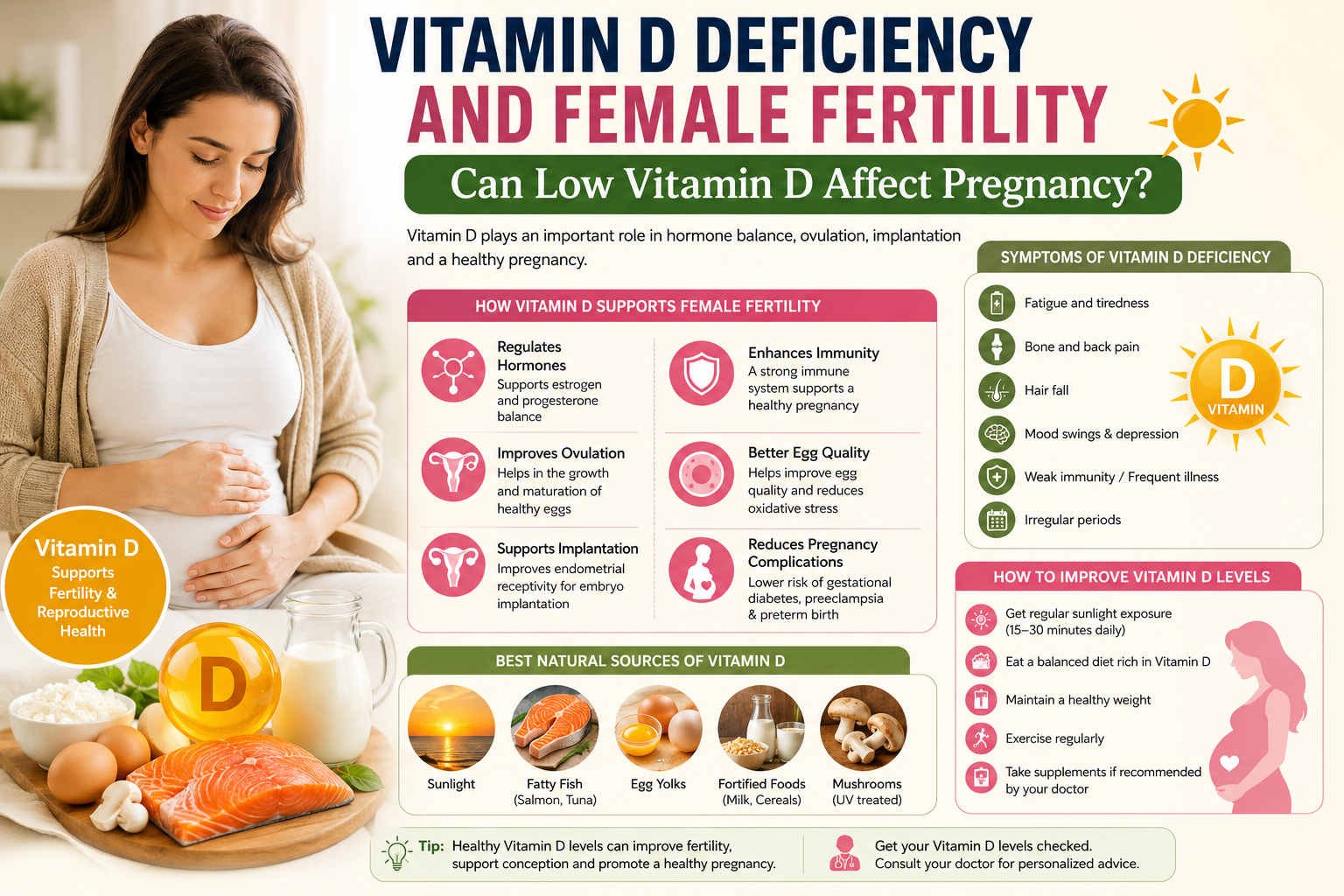
Vitamin D Deficiency and Female Fertility: Can Low Vitamin D Affect Pregnancy?
Vitamin D Deficiency and Female Fertility: Can Low Vitamin D Affect Pregnancy?
Introduction
Vitamin D is an essential nutrient that plays a vital role in maintaining overall health. While it is best known for supporting strong bones and the immune system, research suggests that vitamin D may also influence female fertility, reproductive health, and pregnancy outcomes.
Many women worldwide have insufficient vitamin D levels, often without realizing it. A deficiency can affect various body functions, including hormone regulation and reproductive processes. For women trying to conceive, maintaining adequate vitamin D levels may support overall fertility and help create a healthy environment for pregnancy.
In this article, we will explore the relationship between vitamin D deficiency and female fertility, its symptoms, causes, potential effects on conception, and natural ways to maintain healthy vitamin D levels.
What Is Vitamin D?
Vitamin D is a fat-soluble vitamin that helps the body absorb calcium and phosphorus. It is produced when the skin is exposed to sunlight and can also be obtained through certain foods and supplements.
Vitamin D supports:
Bone health
Immune function
Muscle function
Hormonal balance
Reproductive health
Because vitamin D receptors are present in reproductive organs such as the ovaries, uterus, and placenta, experts believe it may play an important role in fertility and pregnancy.
The Connection Between Vitamin D and Female Fertility
Vitamin D may influence several aspects of female reproductive health, including:
Hormone regulation
Ovarian function
Egg development
Ovulation
Endometrial health
Implantation of the embryo
When vitamin D levels are low, these reproductive processes may not function optimally, potentially affecting fertility.
Although vitamin D deficiency is not always a direct cause of infertility, maintaining healthy levels may support overall reproductive wellness.
How Vitamin D Affects Ovulation
Ovulation is the process in which an ovary releases a mature egg for fertilization.
Research suggests that vitamin D may help support:
Normal ovarian function
Follicle development
Hormonal balance
Regular menstrual cycles
Women with low vitamin D levels may be more likely to experience irregular ovulation, which can make conception more difficult.
Regular ovulation is one of the most important factors for achieving pregnancy naturally.
Vitamin D and Hormonal Balance
Female fertility depends on the proper balance of reproductive hormones.
Vitamin D may interact with hormones involved in:
Menstrual cycle regulation
Egg maturation
Ovulation
Implantation
When vitamin D levels are insufficient, hormonal imbalances may occur, potentially affecting fertility.
Supporting healthy vitamin D levels may help maintain normal reproductive hormone function.
Vitamin D and PCOS
Polycystic Ovary Syndrome (PCOS) is one of the most common causes of infertility in women.
Many women with PCOS are found to have low vitamin D levels.
Vitamin D may help support:
Insulin sensitivity
Hormonal balance
Menstrual regularity
Ovulation
Although vitamin D is not a cure for PCOS, maintaining adequate levels may contribute to better reproductive health in women with this condition.
Vitamin D and Implantation
After fertilization occurs, the embryo must successfully implant into the uterine lining.
Vitamin D receptors are present in the endometrium (uterine lining), suggesting that vitamin D may play a role in preparing the uterus for implantation.
Healthy vitamin D levels may support:
Endometrial development
Uterine receptivity
Early pregnancy support
A healthy uterine environment is important for successful conception and pregnancy.
Can Low Vitamin D Affect Pregnancy?
Vitamin D continues to play an important role after conception.
Research has associated vitamin D deficiency with certain pregnancy-related concerns, including:
Increased risk of pregnancy complications
Poor maternal health
Reduced fetal bone development
Higher risk of gestational issues
Maintaining healthy vitamin D levels before and during pregnancy supports both maternal and fetal well-being.
Common Causes of Vitamin D Deficiency
Several factors may increase the risk of low vitamin D levels.
Limited Sun Exposure
The body naturally produces vitamin D when exposed to sunlight. Spending little time outdoors may contribute to deficiency.
Darker Skin Tone
People with darker skin may require more sunlight exposure to produce adequate vitamin D.
Poor Dietary Intake
A diet lacking vitamin D-rich foods may increase deficiency risk.
Obesity
Vitamin D can become stored in body fat, reducing its availability for use in the body.
Digestive Disorders
Certain digestive conditions may reduce vitamin D absorption.
Aging
As people age, the skin becomes less efficient at producing vitamin D.
Symptoms of Vitamin D Deficiency
Vitamin D deficiency may not always cause noticeable symptoms.
However, some women may experience:
Fatigue
Weakness
Muscle aches
Bone pain
Frequent illness
Mood changes
Low energy levels
Hair thinning
If you suspect a deficiency, a healthcare provider can recommend appropriate testing.
Foods Rich in Vitamin D
Including vitamin D-rich foods in your diet can help support healthy levels.
Fatty Fish
Examples include:
Salmon
Tuna
Sardines
Mackerel
Egg Yolks
Egg yolks provide a natural source of vitamin D and other nutrients.
Dairy Products
Some milk, yogurt, and cheese products may contain vitamin D.
Fortified Foods
Many foods are fortified with vitamin D, including:
Breakfast cereals
Plant-based milk alternatives
Orange juice
Mushrooms
Certain mushrooms exposed to ultraviolet light contain vitamin D.
The Importance of Sunlight
Sunlight is one of the most effective natural sources of vitamin D.
Regular outdoor exposure may help the body produce adequate amounts.
The amount of sunlight needed varies based on:
Skin type
Geographic location
Season
Time of day
It is important to balance sun exposure with skin protection recommendations.
Lifestyle Habits That Support Fertility and Vitamin D Levels
Maintain a Healthy Weight
Healthy body weight supports both fertility and hormone balance.
Exercise Regularly
Moderate physical activity supports overall reproductive health.
Get Adequate Sleep
Sleep helps regulate hormones important for fertility.
Manage Stress
Chronic stress may negatively affect reproductive health.
Eat a Balanced Diet
A diet rich in vitamins, minerals, healthy fats, and protein supports fertility and overall wellness.
Vitamin D Supplements and Fertility
Some women may require vitamin D supplements if dietary intake and sunlight exposure are insufficient.
Supplement needs vary depending on:
Current vitamin D levels
Health conditions
Lifestyle factors
Because excessive vitamin D intake can be harmful, supplementation should be discussed with a qualified healthcare professional.
Testing Vitamin D Levels
A simple blood test can measure vitamin D status.
Healthcare providers may recommend testing for women who:
Have fertility concerns
Have PCOS
Experience recurrent pregnancy loss
Have symptoms of deficiency
Have limited sun exposure
Testing helps determine whether supplementation or lifestyle changes are needed.
When to Consult a Fertility Specialist
Women trying to conceive should consider professional evaluation if:
Pregnancy has not occurred after 12 months of trying (or 6 months if over age 35)
Menstrual cycles are irregular
Ovulation problems are suspected
There is a history of miscarriage
Symptoms of hormonal imbalance are present
A fertility specialist can evaluate multiple factors, including vitamin D status, reproductive hormones, and overall health.
Tips to Maintain Healthy Vitamin D Levels Naturally
Spend regular time outdoors in sunlight.
Include vitamin D-rich foods in your diet.
Maintain a healthy weight.
Exercise consistently.
Get adequate sleep each night.
Follow medical advice regarding supplements.
Schedule routine health checkups.
These habits support both reproductive health and overall well-being.
Conclusion
Vitamin D plays an important role in female reproductive health and may influence ovulation, hormonal balance, implantation, and pregnancy. While vitamin D deficiency is not always the sole cause of fertility challenges, maintaining healthy levels can support overall fertility and reproductive wellness.
Women planning pregnancy should pay attention to their vitamin D status through a balanced diet, healthy lifestyle habits, appropriate sunlight exposure, and professional medical guidance when needed.
By supporting healthy vitamin D levels, women can take an important step toward optimizing their reproductive health and preparing for a healthy pregnancy journey.
Introduction
Vitamin D is an essential nutrient that plays a vital role in maintaining overall health. While it is best known for supporting strong bones and the immune system, research suggests that vitamin D may also influence female fertility, reproductive health, and pregnancy outcomes.
Many women worldwide have insufficient vitamin D levels, often without realizing it. A deficiency can affect various body functions, including hormone regulation and reproductive processes. For women trying to conceive, maintaining adequate vitamin D levels may support overall fertility and help create a healthy environment for pregnancy.
In this article, we will explore the relationship between vitamin D deficiency and female fertility, its symptoms, causes, potential effects on conception, and natural ways to maintain healthy vitamin D levels.
What Is Vitamin D?
Vitamin D is a fat-soluble vitamin that helps the body absorb calcium and phosphorus. It is produced when the skin is exposed to sunlight and can also be obtained through certain foods and supplements.
Vitamin D supports:
Bone health
Immune function
Muscle function
Hormonal balance
Reproductive health
Because vitamin D receptors are present in reproductive organs such as the ovaries, uterus, and placenta, experts believe it may play an important role in fertility and pregnancy.
The Connection Between Vitamin D and Female Fertility
Vitamin D may influence several aspects of female reproductive health, including:
Hormone regulation
Ovarian function
Egg development
Ovulation
Endometrial health
Implantation of the embryo
When vitamin D levels are low, these reproductive processes may not function optimally, potentially affecting fertility.
Although vitamin D deficiency is not always a direct cause of infertility, maintaining healthy levels may support overall reproductive wellness.
How Vitamin D Affects Ovulation
Ovulation is the process in which an ovary releases a mature egg for fertilization.
Research suggests that vitamin D may help support:
Normal ovarian function
Follicle development
Hormonal balance
Regular menstrual cycles
Women with low vitamin D levels may be more likely to experience irregular ovulation, which can make conception more difficult.
Regular ovulation is one of the most important factors for achieving pregnancy naturally.
Vitamin D and Hormonal Balance
Female fertility depends on the proper balance of reproductive hormones.
Vitamin D may interact with hormones involved in:
Menstrual cycle regulation
Egg maturation
Ovulation
Implantation
When vitamin D levels are insufficient, hormonal imbalances may occur, potentially affecting fertility.
Supporting healthy vitamin D levels may help maintain normal reproductive hormone function.
Vitamin D and PCOS
Polycystic Ovary Syndrome (PCOS) is one of the most common causes of infertility in women.
Many women with PCOS are found to have low vitamin D levels.
Vitamin D may help support:
Insulin sensitivity
Hormonal balance
Menstrual regularity
Ovulation
Although vitamin D is not a cure for PCOS, maintaining adequate levels may contribute to better reproductive health in women with this condition.
Vitamin D and Implantation
After fertilization occurs, the embryo must successfully implant into the uterine lining.
Vitamin D receptors are present in the endometrium (uterine lining), suggesting that vitamin D may play a role in preparing the uterus for implantation.
Healthy vitamin D levels may support:
Endometrial development
Uterine receptivity
Early pregnancy support
A healthy uterine environment is important for successful conception and pregnancy.
Can Low Vitamin D Affect Pregnancy?
Vitamin D continues to play an important role after conception.
Research has associated vitamin D deficiency with certain pregnancy-related concerns, including:
Increased risk of pregnancy complications
Poor maternal health
Reduced fetal bone development
Higher risk of gestational issues
Maintaining healthy vitamin D levels before and during pregnancy supports both maternal and fetal well-being.
Common Causes of Vitamin D Deficiency
Several factors may increase the risk of low vitamin D levels.
Limited Sun Exposure
The body naturally produces vitamin D when exposed to sunlight. Spending little time outdoors may contribute to deficiency.
Darker Skin Tone
People with darker skin may require more sunlight exposure to produce adequate vitamin D.
Poor Dietary Intake
A diet lacking vitamin D-rich foods may increase deficiency risk.
Obesity
Vitamin D can become stored in body fat, reducing its availability for use in the body.
Digestive Disorders
Certain digestive conditions may reduce vitamin D absorption.
Aging
As people age, the skin becomes less efficient at producing vitamin D.
Symptoms of Vitamin D Deficiency
Vitamin D deficiency may not always cause noticeable symptoms.
However, some women may experience:
Fatigue
Weakness
Muscle aches
Bone pain
Frequent illness
Mood changes
Low energy levels
Hair thinning
If you suspect a deficiency, a healthcare provider can recommend appropriate testing.
Foods Rich in Vitamin D
Including vitamin D-rich foods in your diet can help support healthy levels.
Fatty Fish
Examples include:
Salmon
Tuna
Sardines
Mackerel
Egg Yolks
Egg yolks provide a natural source of vitamin D and other nutrients.
Dairy Products
Some milk, yogurt, and cheese products may contain vitamin D.
Fortified Foods
Many foods are fortified with vitamin D, including:
Breakfast cereals
Plant-based milk alternatives
Orange juice
Mushrooms
Certain mushrooms exposed to ultraviolet light contain vitamin D.
The Importance of Sunlight
Sunlight is one of the most effective natural sources of vitamin D.
Regular outdoor exposure may help the body produce adequate amounts.
The amount of sunlight needed varies based on:
Skin type
Geographic location
Season
Time of day
It is important to balance sun exposure with skin protection recommendations.
Lifestyle Habits That Support Fertility and Vitamin D Levels
Maintain a Healthy Weight
Healthy body weight supports both fertility and hormone balance.
Exercise Regularly
Moderate physical activity supports overall reproductive health.
Get Adequate Sleep
Sleep helps regulate hormones important for fertility.
Manage Stress
Chronic stress may negatively affect reproductive health.
Eat a Balanced Diet
A diet rich in vitamins, minerals, healthy fats, and protein supports fertility and overall wellness.
Vitamin D Supplements and Fertility
Some women may require vitamin D supplements if dietary intake and sunlight exposure are insufficient.
Supplement needs vary depending on:
Current vitamin D levels
Health conditions
Lifestyle factors
Because excessive vitamin D intake can be harmful, supplementation should be discussed with a qualified healthcare professional.
Testing Vitamin D Levels
A simple blood test can measure vitamin D status.
Healthcare providers may recommend testing for women who:
Have fertility concerns
Have PCOS
Experience recurrent pregnancy loss
Have symptoms of deficiency
Have limited sun exposure
Testing helps determine whether supplementation or lifestyle changes are needed.
When to Consult a Fertility Specialist
Women trying to conceive should consider professional evaluation if:
Pregnancy has not occurred after 12 months of trying (or 6 months if over age 35)
Menstrual cycles are irregular
Ovulation problems are suspected
There is a history of miscarriage
Symptoms of hormonal imbalance are present
A fertility specialist can evaluate multiple factors, including vitamin D status, reproductive hormones, and overall health.
Tips to Maintain Healthy Vitamin D Levels Naturally
Spend regular time outdoors in sunlight.
Include vitamin D-rich foods in your diet.
Maintain a healthy weight.
Exercise consistently.
Get adequate sleep each night.
Follow medical advice regarding supplements.
Schedule routine health checkups.
These habits support both reproductive health and overall well-being.
Conclusion
Vitamin D plays an important role in female reproductive health and may influence ovulation, hormonal balance, implantation, and pregnancy. While vitamin D deficiency is not always the sole cause of fertility challenges, maintaining healthy levels can support overall fertility and reproductive wellness.
Women planning pregnancy should pay attention to their vitamin D status through a balanced diet, healthy lifestyle habits, appropriate sunlight exposure, and professional medical guidance when needed.
By supporting healthy vitamin D levels, women can take an important step toward optimizing their reproductive health and preparing for a healthy pregnancy journey.