
Polycystic Ovaries vs PCOS and Female Fertility
Shop through our latest selection of Fashion
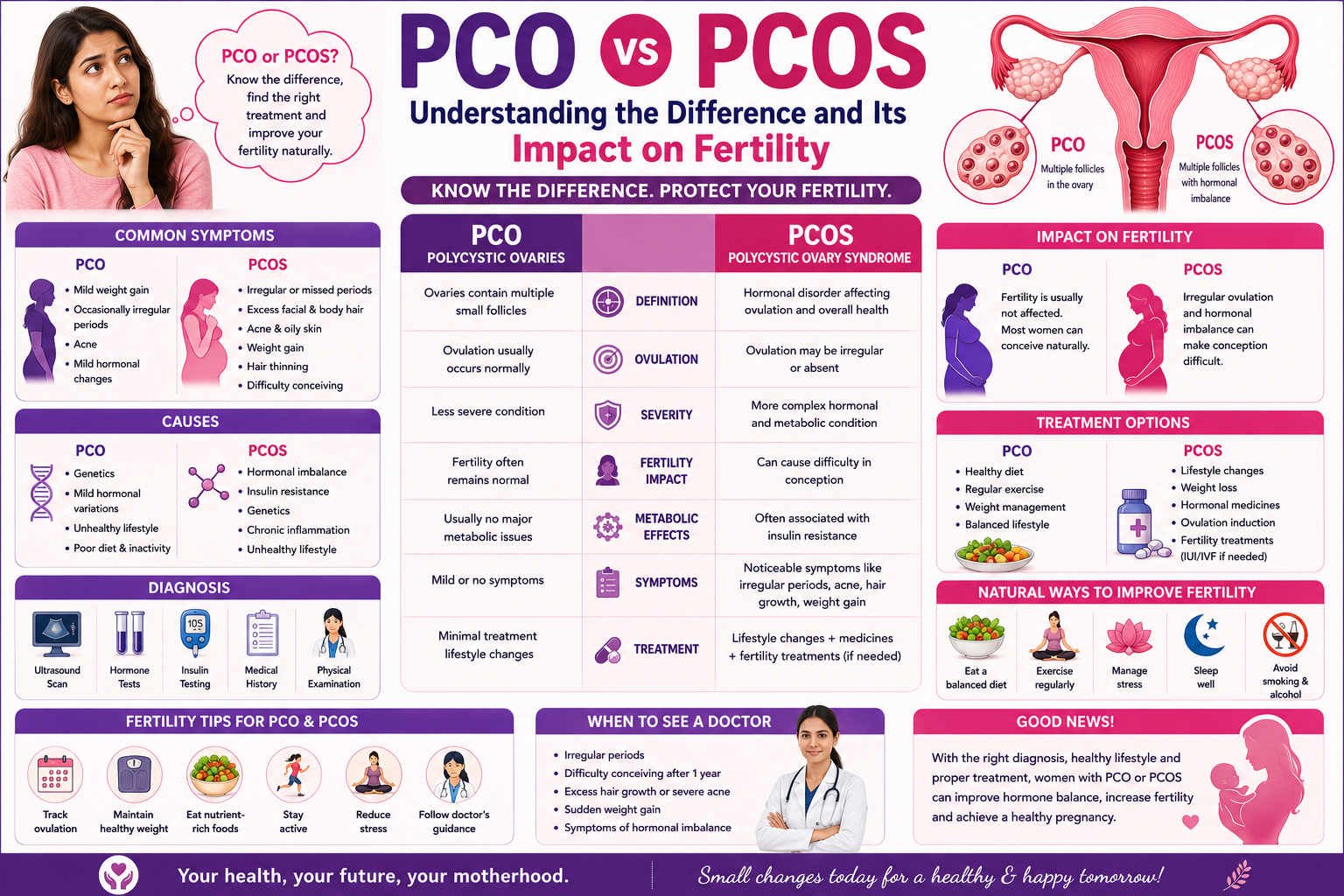
Polycystic Ovaries vs PCOS and Female Fertility
Polycystic Ovaries vs PCOS: Understanding the Difference and Its Impact on Fertility
Introduction
Many women hear the terms Polycystic Ovaries (PCO) and Polycystic Ovary Syndrome (PCOS) and assume they mean the same thing. While these conditions are related, they are not identical. Understanding the difference between PCO and PCOS is important, especially for women who are planning a pregnancy or facing fertility challenges.
Both conditions affect the ovaries and may influence reproductive health. However, PCOS is generally considered a more complex hormonal disorder, while PCO is often a condition that may not significantly affect fertility in many women.
This article explains the difference between PCO and PCOS, their symptoms, causes, effects on fertility, diagnosis, treatment options, and natural ways to improve reproductive health.
What Are Polycystic Ovaries (PCO)?
Polycystic Ovaries refer to a condition in which the ovaries contain multiple immature or partially mature follicles.
These follicles appear as small cysts on ultrasound scans.
Women with PCO may:
Have normal menstrual cycles
Ovulate regularly
Conceive naturally
Experience few or no symptoms
PCO is often considered a common ovarian condition rather than a serious medical disorder.
Studies suggest that many women have polycystic ovaries without experiencing fertility problems.
What Is PCOS?
Polycystic Ovary Syndrome (PCOS) is a hormonal and metabolic disorder that affects reproductive health.
PCOS occurs when hormonal imbalances interfere with ovulation and normal ovarian function.
Women with PCOS often experience:
Irregular periods
Hormonal imbalance
Excess androgen (male hormone) production
Weight gain
Difficulty conceiving
PCOS is one of the leading causes of female infertility worldwide.
Key Difference Between PCO and PCOS
Although the names sound similar, there are important differences.
PCO PCOS
Ovaries contain multiple follicles Hormonal disorder affecting ovaries
Ovulation usually occurs normally Ovulation may be irregular or absent
Less severe condition More complex medical condition
Fertility often remains normal Fertility may be significantly affected
Usually no major metabolic issues Often associated with insulin resistance
Understanding these differences helps women seek appropriate medical guidance.
Causes of PCO
The exact cause of PCO is not fully understood, but contributing factors may include:
Genetics
Family history may increase the likelihood of developing PCO.
Lifestyle Factors
Poor diet, inactivity, and weight gain may contribute.
Hormonal Variations
Mild hormonal changes may influence ovarian follicle development.
Causes of PCOS
PCOS develops due to a combination of hormonal, genetic, and metabolic factors.
Hormonal Imbalance
High androgen levels can interfere with ovulation.
Insulin Resistance
Many women with PCOS have insulin resistance, which affects hormone production.
Genetics
PCOS often runs in families.
Chronic Inflammation
Low-grade inflammation may contribute to hormonal dysfunction.
Symptoms of PCO
Many women with PCO experience no symptoms.
However, some may notice:
Mild weight gain
Irregular periods
Acne
Mild hormonal fluctuations
Most women with PCO continue to ovulate normally.
Symptoms of PCOS
PCOS symptoms are usually more noticeable.
Common symptoms include:
Irregular Menstrual Cycles
Periods may be delayed, infrequent, or absent.
Excess Hair Growth
Increased facial or body hair growth may occur.
Acne
Persistent acne is common.
Weight Gain
Many women struggle with weight management.
Hair Thinning
Scalp hair loss may occur.
Difficulty Conceiving
Irregular ovulation affects fertility.
How PCO Affects Fertility
PCO generally has a limited effect on fertility.
Most women with PCO:
Continue to ovulate regularly
Have normal reproductive function
Can conceive naturally
However, some women may experience mild ovulation irregularities.
How PCOS Affects Fertility
PCOS can significantly impact fertility.
Irregular Ovulation
Egg release may occur infrequently or not at all.
Poor Egg Maturation
Follicles may fail to mature properly.
Hormonal Imbalance
Hormonal disruption reduces pregnancy chances.
Increased Miscarriage Risk
Women with untreated PCOS may face higher pregnancy complications.
Can Women with PCO Get Pregnant?
Yes.
Most women with PCO conceive naturally without fertility treatment.
Maintaining a healthy lifestyle can further improve reproductive health.
Can Women with PCOS Get Pregnant?
Absolutely.
Although PCOS can make conception more challenging, many women successfully become pregnant with:
Lifestyle modifications
Medical treatment
Fertility support when necessary
Early diagnosis improves outcomes.
Diagnosis of PCO and PCOS
Doctors use several methods to diagnose these conditions.
Medical History
Menstrual cycle patterns are reviewed.
Physical Examination
Weight, skin changes, and hormonal symptoms are assessed.
Ultrasound Scan
Helps visualize ovarian follicles.
Blood Tests
Hormone levels are evaluated.
Insulin Testing
May be recommended for women with suspected PCOS.
Treatment Options for PCO
Women with PCO often require minimal treatment.
Management may include:
Healthy Diet
Balanced nutrition supports ovarian health.
Exercise
Regular activity improves hormone balance.
Weight Management
Maintaining a healthy weight supports fertility.
Treatment Options for PCOS
PCOS treatment depends on symptoms and fertility goals.
Lifestyle Changes
Diet and exercise remain the first line of treatment.
Weight Reduction
Even a small amount of weight loss can improve ovulation.
Hormonal Medications
May help regulate menstrual cycles.
Ovulation Induction
Fertility medications may stimulate egg release.
Fertility Treatments
IUI and IVF may be recommended when needed.
Best Diet for Women with PCO and PCOS
A fertility-friendly diet can improve reproductive health.
Recommended foods include:
Fruits and Vegetables
Rich in antioxidants and nutrients.
Whole Grains
Help maintain stable blood sugar levels.
Lean Proteins
Support hormone production.
Healthy Fats
Essential for reproductive hormones.
Nuts and Seeds
Provide omega-3 fatty acids and minerals.
Foods to Avoid
Women with PCOS should limit:
Sugary beverages
Processed foods
Refined carbohydrates
Excess fast food
High-sugar snacks
Reducing these foods helps support hormone balance.
Natural Ways to Improve Fertility
Exercise Regularly
Physical activity supports insulin sensitivity and reproductive health.
Manage Stress
Yoga and meditation may improve hormonal balance.
Get Quality Sleep
Sleep supports healthy hormone production.
Stay Hydrated
Proper hydration supports overall wellness.
Avoid Smoking and Alcohol
Both can negatively affect fertility.
Pregnancy Tips for Women with PCO and PCOS
To improve conception chances:
Track ovulation
Maintain healthy weight
Follow a balanced diet
Stay physically active
Attend regular medical checkups
Follow doctor recommendations
These steps can significantly improve fertility outcomes.
When to See a Doctor
Seek medical advice if you experience:
Irregular periods
Difficulty conceiving after one year
Excess facial hair
Rapid weight gain
Symptoms of hormonal imbalance
Early intervention helps prevent complications.
Conclusion
Although PCO and PCOS are often confused, they are different conditions with different effects on fertility. PCO is generally a mild ovarian condition that rarely causes major fertility issues, while PCOS is a complex hormonal disorder that can significantly affect ovulation and conception.
The good news is that both conditions can be effectively managed through healthy lifestyle choices, medical treatment, and fertility support when needed. With proper care and early diagnosis, many women with PCO or PCOS go on to achieve healthy pregnancies and successful motherhood.
Introduction
Many women hear the terms Polycystic Ovaries (PCO) and Polycystic Ovary Syndrome (PCOS) and assume they mean the same thing. While these conditions are related, they are not identical. Understanding the difference between PCO and PCOS is important, especially for women who are planning a pregnancy or facing fertility challenges.
Both conditions affect the ovaries and may influence reproductive health. However, PCOS is generally considered a more complex hormonal disorder, while PCO is often a condition that may not significantly affect fertility in many women.
This article explains the difference between PCO and PCOS, their symptoms, causes, effects on fertility, diagnosis, treatment options, and natural ways to improve reproductive health.
What Are Polycystic Ovaries (PCO)?
Polycystic Ovaries refer to a condition in which the ovaries contain multiple immature or partially mature follicles.
These follicles appear as small cysts on ultrasound scans.
Women with PCO may:
Have normal menstrual cycles
Ovulate regularly
Conceive naturally
Experience few or no symptoms
PCO is often considered a common ovarian condition rather than a serious medical disorder.
Studies suggest that many women have polycystic ovaries without experiencing fertility problems.
What Is PCOS?
Polycystic Ovary Syndrome (PCOS) is a hormonal and metabolic disorder that affects reproductive health.
PCOS occurs when hormonal imbalances interfere with ovulation and normal ovarian function.
Women with PCOS often experience:
Irregular periods
Hormonal imbalance
Excess androgen (male hormone) production
Weight gain
Difficulty conceiving
PCOS is one of the leading causes of female infertility worldwide.
Key Difference Between PCO and PCOS
Although the names sound similar, there are important differences.
PCO PCOS
Ovaries contain multiple follicles Hormonal disorder affecting ovaries
Ovulation usually occurs normally Ovulation may be irregular or absent
Less severe condition More complex medical condition
Fertility often remains normal Fertility may be significantly affected
Usually no major metabolic issues Often associated with insulin resistance
Understanding these differences helps women seek appropriate medical guidance.
Causes of PCO
The exact cause of PCO is not fully understood, but contributing factors may include:
Genetics
Family history may increase the likelihood of developing PCO.
Lifestyle Factors
Poor diet, inactivity, and weight gain may contribute.
Hormonal Variations
Mild hormonal changes may influence ovarian follicle development.
Causes of PCOS
PCOS develops due to a combination of hormonal, genetic, and metabolic factors.
Hormonal Imbalance
High androgen levels can interfere with ovulation.
Insulin Resistance
Many women with PCOS have insulin resistance, which affects hormone production.
Genetics
PCOS often runs in families.
Chronic Inflammation
Low-grade inflammation may contribute to hormonal dysfunction.
Symptoms of PCO
Many women with PCO experience no symptoms.
However, some may notice:
Mild weight gain
Irregular periods
Acne
Mild hormonal fluctuations
Most women with PCO continue to ovulate normally.
Symptoms of PCOS
PCOS symptoms are usually more noticeable.
Common symptoms include:
Irregular Menstrual Cycles
Periods may be delayed, infrequent, or absent.
Excess Hair Growth
Increased facial or body hair growth may occur.
Acne
Persistent acne is common.
Weight Gain
Many women struggle with weight management.
Hair Thinning
Scalp hair loss may occur.
Difficulty Conceiving
Irregular ovulation affects fertility.
How PCO Affects Fertility
PCO generally has a limited effect on fertility.
Most women with PCO:
Continue to ovulate regularly
Have normal reproductive function
Can conceive naturally
However, some women may experience mild ovulation irregularities.
How PCOS Affects Fertility
PCOS can significantly impact fertility.
Irregular Ovulation
Egg release may occur infrequently or not at all.
Poor Egg Maturation
Follicles may fail to mature properly.
Hormonal Imbalance
Hormonal disruption reduces pregnancy chances.
Increased Miscarriage Risk
Women with untreated PCOS may face higher pregnancy complications.
Can Women with PCO Get Pregnant?
Yes.
Most women with PCO conceive naturally without fertility treatment.
Maintaining a healthy lifestyle can further improve reproductive health.
Can Women with PCOS Get Pregnant?
Absolutely.
Although PCOS can make conception more challenging, many women successfully become pregnant with:
Lifestyle modifications
Medical treatment
Fertility support when necessary
Early diagnosis improves outcomes.
Diagnosis of PCO and PCOS
Doctors use several methods to diagnose these conditions.
Medical History
Menstrual cycle patterns are reviewed.
Physical Examination
Weight, skin changes, and hormonal symptoms are assessed.
Ultrasound Scan
Helps visualize ovarian follicles.
Blood Tests
Hormone levels are evaluated.
Insulin Testing
May be recommended for women with suspected PCOS.
Treatment Options for PCO
Women with PCO often require minimal treatment.
Management may include:
Healthy Diet
Balanced nutrition supports ovarian health.
Exercise
Regular activity improves hormone balance.
Weight Management
Maintaining a healthy weight supports fertility.
Treatment Options for PCOS
PCOS treatment depends on symptoms and fertility goals.
Lifestyle Changes
Diet and exercise remain the first line of treatment.
Weight Reduction
Even a small amount of weight loss can improve ovulation.
Hormonal Medications
May help regulate menstrual cycles.
Ovulation Induction
Fertility medications may stimulate egg release.
Fertility Treatments
IUI and IVF may be recommended when needed.
Best Diet for Women with PCO and PCOS
A fertility-friendly diet can improve reproductive health.
Recommended foods include:
Fruits and Vegetables
Rich in antioxidants and nutrients.
Whole Grains
Help maintain stable blood sugar levels.
Lean Proteins
Support hormone production.
Healthy Fats
Essential for reproductive hormones.
Nuts and Seeds
Provide omega-3 fatty acids and minerals.
Foods to Avoid
Women with PCOS should limit:
Sugary beverages
Processed foods
Refined carbohydrates
Excess fast food
High-sugar snacks
Reducing these foods helps support hormone balance.
Natural Ways to Improve Fertility
Exercise Regularly
Physical activity supports insulin sensitivity and reproductive health.
Manage Stress
Yoga and meditation may improve hormonal balance.
Get Quality Sleep
Sleep supports healthy hormone production.
Stay Hydrated
Proper hydration supports overall wellness.
Avoid Smoking and Alcohol
Both can negatively affect fertility.
Pregnancy Tips for Women with PCO and PCOS
To improve conception chances:
Track ovulation
Maintain healthy weight
Follow a balanced diet
Stay physically active
Attend regular medical checkups
Follow doctor recommendations
These steps can significantly improve fertility outcomes.
When to See a Doctor
Seek medical advice if you experience:
Irregular periods
Difficulty conceiving after one year
Excess facial hair
Rapid weight gain
Symptoms of hormonal imbalance
Early intervention helps prevent complications.
Conclusion
Although PCO and PCOS are often confused, they are different conditions with different effects on fertility. PCO is generally a mild ovarian condition that rarely causes major fertility issues, while PCOS is a complex hormonal disorder that can significantly affect ovulation and conception.
The good news is that both conditions can be effectively managed through healthy lifestyle choices, medical treatment, and fertility support when needed. With proper care and early diagnosis, many women with PCO or PCOS go on to achieve healthy pregnancies and successful motherhood.