
Insulin Resistance and Female Fertility
Shop through our latest selection of Fashion
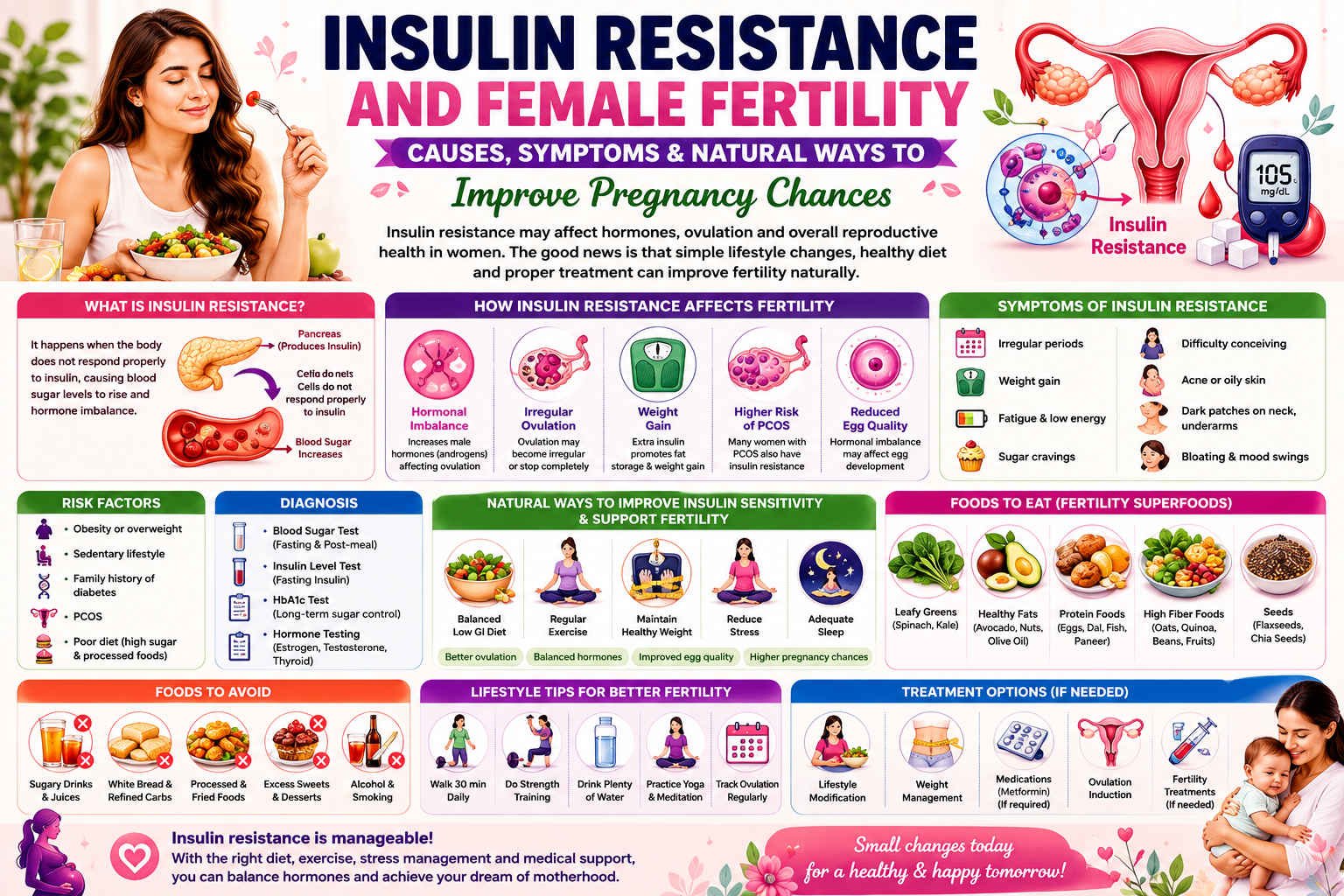
Insulin Resistance and Female Fertility
Insulin Resistance and Female Fertility: Causes, Symptoms & Natural Ways to Improve Pregnancy Chances
Introduction
Insulin resistance is becoming increasingly common among women and is now recognized as one of the major factors affecting fertility and reproductive health. It occurs when the body’s cells stop responding properly to insulin, forcing the body to produce higher amounts of insulin to control blood sugar levels.
Over time, high insulin levels can disrupt hormone balance, interfere with ovulation, and increase the risk of fertility-related conditions such as Polycystic Ovary Syndrome (PCOS). Many women struggling with irregular periods, weight gain, or difficulty conceiving may not realize that insulin resistance could be the hidden reason behind their fertility challenges.
Understanding the connection between insulin resistance and fertility can help women take early steps toward improving reproductive health and increasing pregnancy chances naturally.
What is Insulin Resistance?
Insulin is a hormone produced by the pancreas that helps move sugar (glucose) from the bloodstream into the body’s cells for energy.
In insulin resistance:
The body becomes less responsive to insulin
Blood sugar levels rise
The pancreas produces extra insulin
This excess insulin can affect reproductive hormones and interfere with normal ovulation.
If left unmanaged, insulin resistance may eventually increase the risk of type 2 diabetes and fertility complications.
How Insulin Resistance Affects Female Fertility
Insulin resistance can negatively affect fertility in several ways.
1. Hormonal Imbalance
High insulin levels may increase androgen (male hormone) production in women.
This hormonal imbalance may interfere with:
Ovulation
Egg development
Menstrual cycle regularity
Hormonal disruption reduces pregnancy chances.
2. Irregular Ovulation
Insulin resistance can prevent regular egg release.
Women may experience:
Delayed ovulation
Irregular ovulation
No ovulation (anovulation)
Without healthy ovulation, conception becomes difficult.
3. Weight Gain
Insulin resistance often causes weight gain, especially around the abdomen.
Excess body weight may further worsen:
Hormonal imbalance
Ovulation problems
Fertility challenges
Weight management is important for reproductive health.
4. Increased Risk of PCOS
Many women with Polycystic Ovary Syndrome (PCOS) also have insulin resistance.
PCOS may cause:
Irregular periods
Multiple ovarian cysts
Infertility
Hormonal imbalance
Managing insulin resistance often improves PCOS symptoms.
5. Reduced Egg Quality
Chronic metabolic imbalance may affect egg development and reproductive function.
Poor egg quality may lower pregnancy success rates.
Symptoms of Insulin Resistance
Symptoms may develop gradually.
Common signs include:
Irregular periods
Weight gain
Fatigue or low energy
Sugar cravings
Difficulty conceiving
Increased hunger
Dark skin patches around the neck or underarms
Mood swings
Difficulty losing weight
Some women may have insulin resistance without obvious symptoms.
Risk Factors for Insulin Resistance
Several factors increase the risk.
1. Obesity
Excess body fat reduces insulin sensitivity.
2. Sedentary Lifestyle
Lack of physical activity affects metabolism and hormone balance.
3. Family History of Diabetes
Genetics may increase the risk of insulin resistance.
4. PCOS
Women with PCOS commonly experience insulin resistance.
5. Poor Diet
Excess sugar, processed foods, and refined carbohydrates may worsen insulin levels.
6. Chronic Stress
Stress hormones can negatively affect blood sugar balance.
How Insulin Resistance is Diagnosed
Doctors may recommend several tests.
1. Blood Sugar Test
Measures glucose levels in the blood.
2. Insulin Level Test
Checks how the body responds to insulin.
3. HbA1c Test
Evaluates long-term blood sugar control.
4. Hormone Testing
Doctors may assess:
Estrogen
Testosterone
LH and FSH
Thyroid hormones
Hormone evaluation helps identify fertility issues.
5. Ultrasound
Sometimes used to detect PCOS or reproductive abnormalities.
Treatment Options for Insulin Resistance
Treatment focuses on improving insulin sensitivity and hormone balance.
1. Lifestyle Changes
Healthy lifestyle habits are the first line of treatment.
These include:
Balanced diet
Exercise
Weight management
Stress reduction
2. Weight Management
Even small weight loss may improve:
Ovulation
Hormone balance
Menstrual regularity
Fertility outcomes
Losing just 5–10% of body weight may improve reproductive health.
3. Medications
Doctors may prescribe medications to:
Improve insulin sensitivity
Control blood sugar
Regulate menstrual cycles
Medication should always be taken under medical supervision.
4. Fertility Treatments
If conception remains difficult, fertility treatments may include:
Ovulation induction
IUI (Intrauterine Insemination)
IVF (In Vitro Fertilization)
Treatment depends on the severity of fertility issues.
Natural Ways to Improve Fertility with Insulin Resistance
Lifestyle improvements can significantly improve fertility naturally.
1. Follow a Low Glycemic Diet
A low glycemic diet helps stabilize blood sugar levels.
Include:
Whole grains
Green vegetables
Lean protein
Healthy fats
High-fiber foods
Avoid:
Sugary foods
Processed snacks
Refined carbohydrates
Excess sweets
Healthy eating supports ovulation and hormone balance.
2. Exercise Regularly
Physical activity improves insulin sensitivity.
Helpful exercises include:
Walking
Yoga
Swimming
Strength training
Cycling
Exercise also supports weight management and mental health.
3. Maintain Healthy Weight
Healthy body weight improves reproductive hormone function.
Weight management supports:
Ovulation
Menstrual regularity
Better pregnancy outcomes
4. Reduce Stress
Stress may worsen insulin resistance and hormonal imbalance.
Stress management methods include:
Meditation
Yoga
Deep breathing
Relaxation exercises
Mental wellness supports fertility health.
5. Sleep Properly
Poor sleep affects metabolism and reproductive hormones.
Aim for:
7–8 hours of quality sleep daily
Good sleep improves hormone regulation.
Best Foods for Women with Insulin Resistance
Certain foods help improve insulin sensitivity.
1. High-Fiber Foods
Examples:
Oats
Brown rice
Vegetables
Beans
Fiber helps control blood sugar.
2. Protein-Rich Foods
Examples:
Eggs
Fish
Chicken
Lentils
Protein helps maintain stable energy levels.
3. Healthy Fats
Examples:
Avocados
Nuts
Olive oil
Seeds
Healthy fats support hormone production.
4. Green Vegetables
Leafy greens provide vitamins, minerals, and antioxidants important for fertility.
Foods to Avoid
Women with insulin resistance should limit:
Sugary drinks
White bread
Processed snacks
Fast food
Excess desserts
Refined carbohydrates
These foods may spike blood sugar levels.
Can Women Conceive with Insulin Resistance?
Yes. Many women with insulin resistance successfully conceive after improving metabolic and hormonal health.
Pregnancy chances improve with:
Weight management
Healthy diet
Exercise
Hormonal balance
Medical treatment when necessary
Early management significantly improves fertility outcomes.
Tips to Improve Pregnancy Chances
Women trying to conceive should:
Track ovulation cycles
Exercise regularly
Maintain healthy eating habits
Stay hydrated
Reduce stress
Avoid smoking and alcohol
Follow medical advice consistently
Consistency is important for fertility improvement.
When to See a Doctor
Consult a doctor if you experience:
Irregular menstrual cycles
Difficulty conceiving
Sudden weight gain
Symptoms of PCOS
Signs of insulin resistance or diabetes
Recurrent fertility issues
Early diagnosis improves treatment success.
Emotional Impact of Fertility Challenges
Fertility struggles related to insulin resistance can affect emotional well-being.
Women may experience:
Stress
Anxiety
Frustration
Depression
Low confidence
Support from family, healthcare professionals, and counselors can help during the fertility journey.
FAQs About Insulin Resistance and Fertility
1. Can insulin resistance cause infertility?
Yes, it may affect ovulation and hormone balance.
2. Is pregnancy possible with insulin resistance?
Yes, many women conceive successfully after treatment and lifestyle changes.
3. Does weight loss improve fertility?
Even moderate weight loss may improve ovulation and pregnancy chances.
4. Is insulin resistance linked with PCOS?
Yes, many women with PCOS also experience insulin resistance.
Conclusion
Insulin resistance can significantly affect female fertility, hormone balance, ovulation, and overall reproductive health. However, with proper lifestyle changes, healthy eating, regular exercise, stress management, and medical support, many women can improve fertility naturally.
Taking early action and maintaining metabolic health are important steps toward increasing pregnancy chances and supporting long-term reproductive wellness.
Introduction
Insulin resistance is becoming increasingly common among women and is now recognized as one of the major factors affecting fertility and reproductive health. It occurs when the body’s cells stop responding properly to insulin, forcing the body to produce higher amounts of insulin to control blood sugar levels.
Over time, high insulin levels can disrupt hormone balance, interfere with ovulation, and increase the risk of fertility-related conditions such as Polycystic Ovary Syndrome (PCOS). Many women struggling with irregular periods, weight gain, or difficulty conceiving may not realize that insulin resistance could be the hidden reason behind their fertility challenges.
Understanding the connection between insulin resistance and fertility can help women take early steps toward improving reproductive health and increasing pregnancy chances naturally.
What is Insulin Resistance?
Insulin is a hormone produced by the pancreas that helps move sugar (glucose) from the bloodstream into the body’s cells for energy.
In insulin resistance:
The body becomes less responsive to insulin
Blood sugar levels rise
The pancreas produces extra insulin
This excess insulin can affect reproductive hormones and interfere with normal ovulation.
If left unmanaged, insulin resistance may eventually increase the risk of type 2 diabetes and fertility complications.
How Insulin Resistance Affects Female Fertility
Insulin resistance can negatively affect fertility in several ways.
1. Hormonal Imbalance
High insulin levels may increase androgen (male hormone) production in women.
This hormonal imbalance may interfere with:
Ovulation
Egg development
Menstrual cycle regularity
Hormonal disruption reduces pregnancy chances.
2. Irregular Ovulation
Insulin resistance can prevent regular egg release.
Women may experience:
Delayed ovulation
Irregular ovulation
No ovulation (anovulation)
Without healthy ovulation, conception becomes difficult.
3. Weight Gain
Insulin resistance often causes weight gain, especially around the abdomen.
Excess body weight may further worsen:
Hormonal imbalance
Ovulation problems
Fertility challenges
Weight management is important for reproductive health.
4. Increased Risk of PCOS
Many women with Polycystic Ovary Syndrome (PCOS) also have insulin resistance.
PCOS may cause:
Irregular periods
Multiple ovarian cysts
Infertility
Hormonal imbalance
Managing insulin resistance often improves PCOS symptoms.
5. Reduced Egg Quality
Chronic metabolic imbalance may affect egg development and reproductive function.
Poor egg quality may lower pregnancy success rates.
Symptoms of Insulin Resistance
Symptoms may develop gradually.
Common signs include:
Irregular periods
Weight gain
Fatigue or low energy
Sugar cravings
Difficulty conceiving
Increased hunger
Dark skin patches around the neck or underarms
Mood swings
Difficulty losing weight
Some women may have insulin resistance without obvious symptoms.
Risk Factors for Insulin Resistance
Several factors increase the risk.
1. Obesity
Excess body fat reduces insulin sensitivity.
2. Sedentary Lifestyle
Lack of physical activity affects metabolism and hormone balance.
3. Family History of Diabetes
Genetics may increase the risk of insulin resistance.
4. PCOS
Women with PCOS commonly experience insulin resistance.
5. Poor Diet
Excess sugar, processed foods, and refined carbohydrates may worsen insulin levels.
6. Chronic Stress
Stress hormones can negatively affect blood sugar balance.
How Insulin Resistance is Diagnosed
Doctors may recommend several tests.
1. Blood Sugar Test
Measures glucose levels in the blood.
2. Insulin Level Test
Checks how the body responds to insulin.
3. HbA1c Test
Evaluates long-term blood sugar control.
4. Hormone Testing
Doctors may assess:
Estrogen
Testosterone
LH and FSH
Thyroid hormones
Hormone evaluation helps identify fertility issues.
5. Ultrasound
Sometimes used to detect PCOS or reproductive abnormalities.
Treatment Options for Insulin Resistance
Treatment focuses on improving insulin sensitivity and hormone balance.
1. Lifestyle Changes
Healthy lifestyle habits are the first line of treatment.
These include:
Balanced diet
Exercise
Weight management
Stress reduction
2. Weight Management
Even small weight loss may improve:
Ovulation
Hormone balance
Menstrual regularity
Fertility outcomes
Losing just 5–10% of body weight may improve reproductive health.
3. Medications
Doctors may prescribe medications to:
Improve insulin sensitivity
Control blood sugar
Regulate menstrual cycles
Medication should always be taken under medical supervision.
4. Fertility Treatments
If conception remains difficult, fertility treatments may include:
Ovulation induction
IUI (Intrauterine Insemination)
IVF (In Vitro Fertilization)
Treatment depends on the severity of fertility issues.
Natural Ways to Improve Fertility with Insulin Resistance
Lifestyle improvements can significantly improve fertility naturally.
1. Follow a Low Glycemic Diet
A low glycemic diet helps stabilize blood sugar levels.
Include:
Whole grains
Green vegetables
Lean protein
Healthy fats
High-fiber foods
Avoid:
Sugary foods
Processed snacks
Refined carbohydrates
Excess sweets
Healthy eating supports ovulation and hormone balance.
2. Exercise Regularly
Physical activity improves insulin sensitivity.
Helpful exercises include:
Walking
Yoga
Swimming
Strength training
Cycling
Exercise also supports weight management and mental health.
3. Maintain Healthy Weight
Healthy body weight improves reproductive hormone function.
Weight management supports:
Ovulation
Menstrual regularity
Better pregnancy outcomes
4. Reduce Stress
Stress may worsen insulin resistance and hormonal imbalance.
Stress management methods include:
Meditation
Yoga
Deep breathing
Relaxation exercises
Mental wellness supports fertility health.
5. Sleep Properly
Poor sleep affects metabolism and reproductive hormones.
Aim for:
7–8 hours of quality sleep daily
Good sleep improves hormone regulation.
Best Foods for Women with Insulin Resistance
Certain foods help improve insulin sensitivity.
1. High-Fiber Foods
Examples:
Oats
Brown rice
Vegetables
Beans
Fiber helps control blood sugar.
2. Protein-Rich Foods
Examples:
Eggs
Fish
Chicken
Lentils
Protein helps maintain stable energy levels.
3. Healthy Fats
Examples:
Avocados
Nuts
Olive oil
Seeds
Healthy fats support hormone production.
4. Green Vegetables
Leafy greens provide vitamins, minerals, and antioxidants important for fertility.
Foods to Avoid
Women with insulin resistance should limit:
Sugary drinks
White bread
Processed snacks
Fast food
Excess desserts
Refined carbohydrates
These foods may spike blood sugar levels.
Can Women Conceive with Insulin Resistance?
Yes. Many women with insulin resistance successfully conceive after improving metabolic and hormonal health.
Pregnancy chances improve with:
Weight management
Healthy diet
Exercise
Hormonal balance
Medical treatment when necessary
Early management significantly improves fertility outcomes.
Tips to Improve Pregnancy Chances
Women trying to conceive should:
Track ovulation cycles
Exercise regularly
Maintain healthy eating habits
Stay hydrated
Reduce stress
Avoid smoking and alcohol
Follow medical advice consistently
Consistency is important for fertility improvement.
When to See a Doctor
Consult a doctor if you experience:
Irregular menstrual cycles
Difficulty conceiving
Sudden weight gain
Symptoms of PCOS
Signs of insulin resistance or diabetes
Recurrent fertility issues
Early diagnosis improves treatment success.
Emotional Impact of Fertility Challenges
Fertility struggles related to insulin resistance can affect emotional well-being.
Women may experience:
Stress
Anxiety
Frustration
Depression
Low confidence
Support from family, healthcare professionals, and counselors can help during the fertility journey.
FAQs About Insulin Resistance and Fertility
1. Can insulin resistance cause infertility?
Yes, it may affect ovulation and hormone balance.
2. Is pregnancy possible with insulin resistance?
Yes, many women conceive successfully after treatment and lifestyle changes.
3. Does weight loss improve fertility?
Even moderate weight loss may improve ovulation and pregnancy chances.
4. Is insulin resistance linked with PCOS?
Yes, many women with PCOS also experience insulin resistance.
Conclusion
Insulin resistance can significantly affect female fertility, hormone balance, ovulation, and overall reproductive health. However, with proper lifestyle changes, healthy eating, regular exercise, stress management, and medical support, many women can improve fertility naturally.
Taking early action and maintaining metabolic health are important steps toward increasing pregnancy chances and supporting long-term reproductive wellness.