
Female Infertility: Causes & Treatment
Shop through our latest selection of Fashion
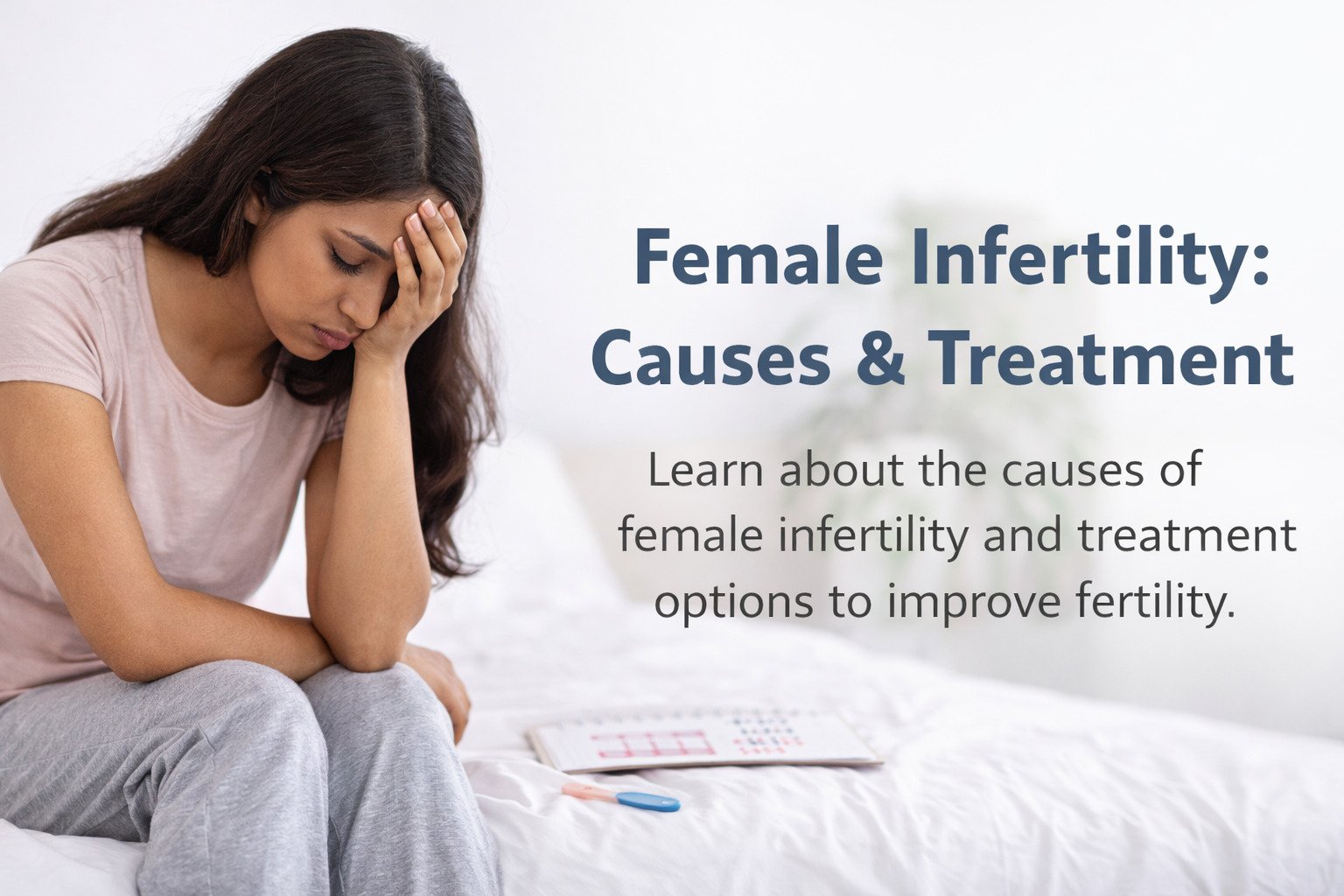
Female Infertility: Causes & Treatment
What is Female Infertility?
Female infertility refers to a condition where a woman is unable to conceive or carry a pregnancy to full term. It can occur due to problems in ovulation, fallopian tubes, uterus, or hormonal imbalance.
Infertility does not always mean permanent inability to conceive. In many cases, it is treatable.
Common Causes of Female Infertility
1. Ovulation Disorders
One of the most common causes of infertility is irregular or absent ovulation. Conditions like PCOS (Polycystic Ovary Syndrome) affect hormone levels and disrupt ovulation.
2. Hormonal Imbalance
Hormones play a crucial role in reproduction. Any imbalance in estrogen, progesterone, or thyroid hormones can affect fertility.
3. Blocked Fallopian Tubes
Fallopian tubes carry eggs from the ovaries to the uterus. If they are blocked due to infections or previous surgeries, fertilization cannot occur.
4. Uterine Issues
Problems such as fibroids, polyps, or abnormalities in the uterus can make it difficult for a fertilized egg to implant.
5. Age Factor
Fertility naturally declines with age, especially after 30. Egg quality and quantity decrease over time.
6. Lifestyle Factors
Unhealthy habits like smoking, alcohol consumption, poor diet, lack of sleep, and high stress levels can significantly impact fertility.
Symptoms of Female Infertility
Infertility may not always show clear symptoms, but some warning signs include:
Irregular or missed periods
Extremely painful periods
Hormonal issues like acne or excessive hair growth
Difficulty in conceiving after regular attempts
Sudden weight gain or loss
Natural Ways to Improve Female Fertility
1. Maintain a Healthy Diet
A balanced diet plays a key role in improving fertility. Include:
Leafy green vegetables
Fruits rich in antioxidants
Whole grains
Healthy fats like nuts and seeds
Avoid processed and junk food as they negatively affect hormones.
2. Exercise Regularly
Moderate exercise helps maintain hormonal balance and improves overall health. Activities like yoga, walking, and light workouts are highly beneficial.
3. Reduce Stress
Stress is a major factor that affects fertility. High stress levels can disrupt ovulation. Practice meditation, deep breathing, or relaxation techniques.
4. Maintain Healthy Weight
Being overweight or underweight can impact ovulation. Maintaining an ideal body weight improves chances of conception.
5. Get Enough Sleep
Proper sleep helps regulate hormones. Aim for 7–8 hours of quality sleep every night.
6. Avoid Harmful Substances
Smoking, alcohol, and excessive caffeine intake can reduce fertility. Avoid these to improve reproductive health.
Medical Treatments for Female Infertility
If natural methods do not work, medical treatments can help:
1. Fertility Medications
Doctors may prescribe medications to stimulate ovulation.
2. IUI (Intrauterine Insemination)
A procedure where sperm is directly placed into the uterus.
3. IVF (In Vitro Fertilization)
One of the most effective treatments where eggs are fertilized outside the body and then implanted into the uterus.
4. Surgery
In some cases, surgery may be needed to correct structural issues like fibroids or blocked tubes.
When to See a Doctor
You should consult a doctor if:
You have been trying to conceive for over 1 year
You are above 30 and facing difficulty
You have irregular periods
You have known reproductive health issues
Early diagnosis can significantly increase the chances of successful treatment.
Prevention Tips for Better Fertility
Follow a healthy lifestyle
Keep stress under control
Track ovulation cycles
Avoid exposure to harmful chemicals
Stay physically active
Conclusion
Female infertility can be challenging, but it is not the end of the journey. With the right combination of lifestyle changes, medical guidance, and patience, many women successfully conceive.
Understanding your body and taking timely action can make a significant difference. If you are facing difficulties, do not hesitate to seek professional help.
Female infertility refers to a condition where a woman is unable to conceive or carry a pregnancy to full term. It can occur due to problems in ovulation, fallopian tubes, uterus, or hormonal imbalance.
Infertility does not always mean permanent inability to conceive. In many cases, it is treatable.
Common Causes of Female Infertility
1. Ovulation Disorders
One of the most common causes of infertility is irregular or absent ovulation. Conditions like PCOS (Polycystic Ovary Syndrome) affect hormone levels and disrupt ovulation.
2. Hormonal Imbalance
Hormones play a crucial role in reproduction. Any imbalance in estrogen, progesterone, or thyroid hormones can affect fertility.
3. Blocked Fallopian Tubes
Fallopian tubes carry eggs from the ovaries to the uterus. If they are blocked due to infections or previous surgeries, fertilization cannot occur.
4. Uterine Issues
Problems such as fibroids, polyps, or abnormalities in the uterus can make it difficult for a fertilized egg to implant.
5. Age Factor
Fertility naturally declines with age, especially after 30. Egg quality and quantity decrease over time.
6. Lifestyle Factors
Unhealthy habits like smoking, alcohol consumption, poor diet, lack of sleep, and high stress levels can significantly impact fertility.
Symptoms of Female Infertility
Infertility may not always show clear symptoms, but some warning signs include:
Irregular or missed periods
Extremely painful periods
Hormonal issues like acne or excessive hair growth
Difficulty in conceiving after regular attempts
Sudden weight gain or loss
Natural Ways to Improve Female Fertility
1. Maintain a Healthy Diet
A balanced diet plays a key role in improving fertility. Include:
Leafy green vegetables
Fruits rich in antioxidants
Whole grains
Healthy fats like nuts and seeds
Avoid processed and junk food as they negatively affect hormones.
2. Exercise Regularly
Moderate exercise helps maintain hormonal balance and improves overall health. Activities like yoga, walking, and light workouts are highly beneficial.
3. Reduce Stress
Stress is a major factor that affects fertility. High stress levels can disrupt ovulation. Practice meditation, deep breathing, or relaxation techniques.
4. Maintain Healthy Weight
Being overweight or underweight can impact ovulation. Maintaining an ideal body weight improves chances of conception.
5. Get Enough Sleep
Proper sleep helps regulate hormones. Aim for 7–8 hours of quality sleep every night.
6. Avoid Harmful Substances
Smoking, alcohol, and excessive caffeine intake can reduce fertility. Avoid these to improve reproductive health.
Medical Treatments for Female Infertility
If natural methods do not work, medical treatments can help:
1. Fertility Medications
Doctors may prescribe medications to stimulate ovulation.
2. IUI (Intrauterine Insemination)
A procedure where sperm is directly placed into the uterus.
3. IVF (In Vitro Fertilization)
One of the most effective treatments where eggs are fertilized outside the body and then implanted into the uterus.
4. Surgery
In some cases, surgery may be needed to correct structural issues like fibroids or blocked tubes.
When to See a Doctor
You should consult a doctor if:
You have been trying to conceive for over 1 year
You are above 30 and facing difficulty
You have irregular periods
You have known reproductive health issues
Early diagnosis can significantly increase the chances of successful treatment.
Prevention Tips for Better Fertility
Follow a healthy lifestyle
Keep stress under control
Track ovulation cycles
Avoid exposure to harmful chemicals
Stay physically active
Conclusion
Female infertility can be challenging, but it is not the end of the journey. With the right combination of lifestyle changes, medical guidance, and patience, many women successfully conceive.
Understanding your body and taking timely action can make a significant difference. If you are facing difficulties, do not hesitate to seek professional help.