
Autoimmune Disorders and Female Fertility
Shop through our latest selection of Fashion
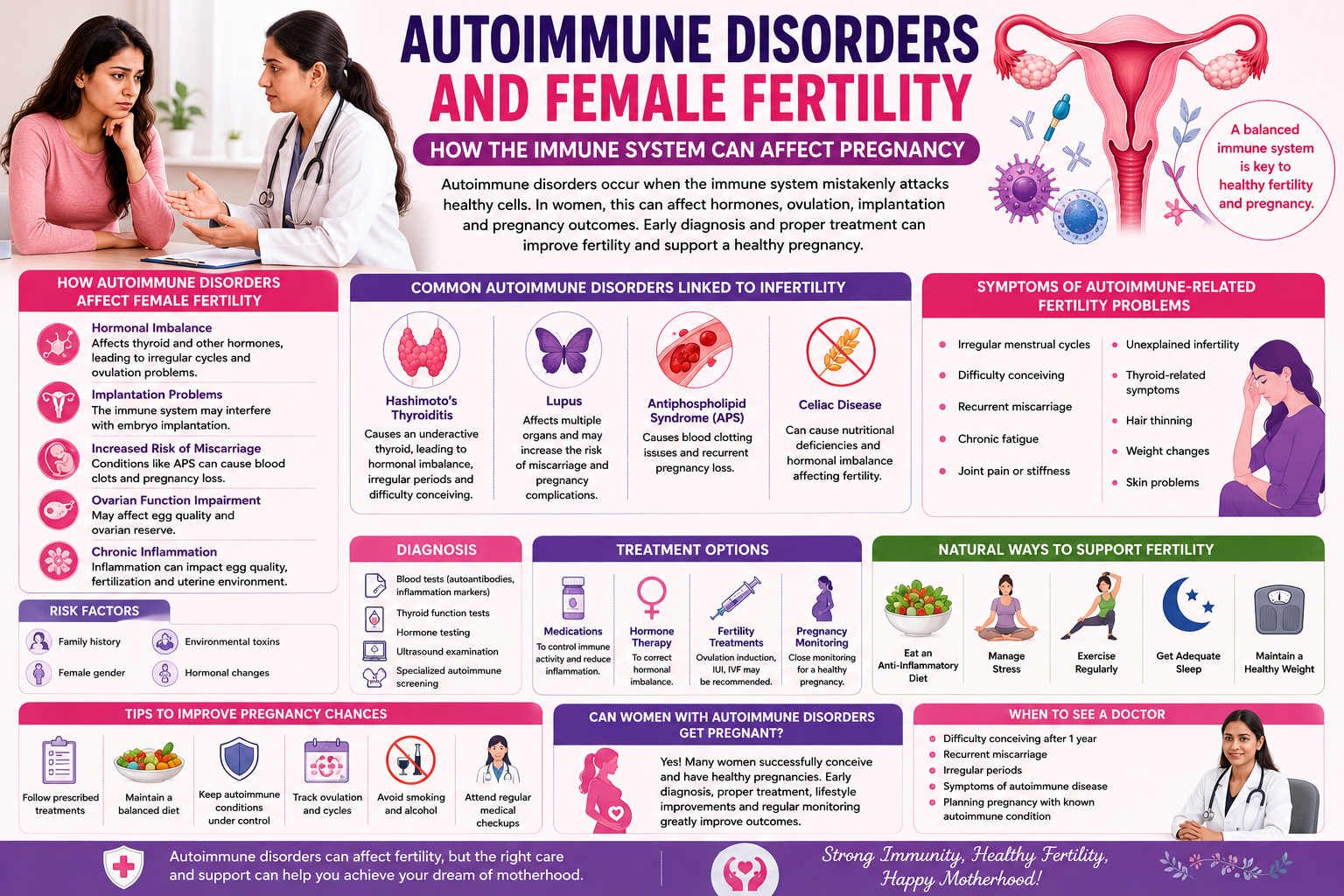
Autoimmune Disorders and Female Fertility
Autoimmune Disorders and Female Fertility: How the Immune System Can Affect Pregnancy
Introduction
Female fertility is influenced by many factors, including hormonal balance, reproductive health, age, lifestyle, and overall wellness. However, one often overlooked factor is the immune system. Autoimmune disorders can significantly impact a woman's ability to conceive and maintain a healthy pregnancy.
An autoimmune disorder occurs when the body's immune system mistakenly attacks its own healthy tissues. This abnormal immune response can affect various organs and systems, including those involved in reproduction. In some women, autoimmune conditions may interfere with ovulation, implantation, embryo development, and pregnancy maintenance.
Understanding the relationship between autoimmune disorders and fertility can help women seek timely diagnosis and appropriate treatment to improve their chances of conception.
What Are Autoimmune Disorders?
The immune system is designed to protect the body from harmful bacteria, viruses, and infections. In autoimmune diseases, the immune system becomes overactive and attacks healthy cells by mistake.
There are more than 80 known autoimmune diseases, and many of them affect women more frequently than men.
Common autoimmune disorders include:
Rheumatoid Arthritis
Lupus (Systemic Lupus Erythematosus)
Hashimoto's Thyroiditis
Graves' Disease
Celiac Disease
Antiphospholipid Syndrome
Multiple Sclerosis
Some of these conditions may directly or indirectly affect fertility and pregnancy outcomes.
How Autoimmune Disorders Affect Female Fertility
Autoimmune disorders can impact fertility in several ways.
1. Hormonal Imbalance
Many autoimmune conditions affect hormone-producing glands such as the thyroid.
Hormonal imbalances can lead to:
Irregular menstrual cycles
Delayed ovulation
Anovulation (absence of ovulation)
Difficulty conceiving
Healthy hormone levels are essential for successful conception.
2. Implantation Problems
The immune system plays an important role during implantation.
In some autoimmune conditions, immune cells may attack the embryo or interfere with implantation, making it difficult for pregnancy to occur.
3. Increased Risk of Miscarriage
Certain autoimmune disorders increase the likelihood of pregnancy loss.
Conditions such as Antiphospholipid Syndrome can cause blood clotting problems that interfere with blood flow to the developing embryo.
4. Ovarian Function Impairment
Some autoimmune disorders may damage ovarian tissue and affect egg production.
This can reduce ovarian reserve and fertility potential.
5. Chronic Inflammation
Autoimmune diseases often involve chronic inflammation.
Inflammation may affect:
Egg quality
Fertilization
Implantation
Uterine environment
Reducing inflammation is important for reproductive health.
Common Autoimmune Disorders Linked to Infertility
Hashimoto's Thyroiditis
Hashimoto's disease causes an underactive thyroid gland.
Symptoms include:
Fatigue
Weight gain
Irregular periods
Difficulty conceiving
Proper thyroid management can improve fertility outcomes.
Lupus
Lupus is a chronic autoimmune disease that affects multiple organs.
Women with lupus may experience:
Hormonal disturbances
Pregnancy complications
Increased miscarriage risk
With proper treatment, many women with lupus can achieve successful pregnancies.
Antiphospholipid Syndrome (APS)
APS is strongly associated with recurrent miscarriage.
The condition increases blood clot formation, affecting placental blood supply.
Early diagnosis and treatment significantly improve pregnancy success rates.
Celiac Disease
Celiac disease is triggered by gluten consumption.
Untreated celiac disease may contribute to:
Nutritional deficiencies
Irregular periods
Infertility
A gluten-free diet often improves reproductive health.
Symptoms of Autoimmune-Related Fertility Problems
Women may experience:
Irregular menstrual cycles
Difficulty conceiving
Recurrent miscarriage
Chronic fatigue
Joint pain
Unexplained infertility
Thyroid-related symptoms
Hair thinning
Weight changes
Symptoms vary depending on the underlying autoimmune condition.
Risk Factors
Several factors may increase the risk of autoimmune disorders.
Family History
Genetics play an important role.
Gender
Women are more likely than men to develop autoimmune diseases.
Chronic Stress
Long-term stress may contribute to immune dysfunction.
Environmental Factors
Exposure to toxins and pollutants may trigger autoimmune responses.
Hormonal Changes
Pregnancy and hormonal fluctuations can influence immune function.
Diagnosis of Autoimmune Disorders
Early diagnosis can improve fertility outcomes.
Doctors may recommend:
Blood Tests
Used to detect autoimmune antibodies and inflammation markers.
Thyroid Function Tests
Evaluate thyroid hormone levels.
Hormone Testing
Assesses reproductive hormone balance.
Ultrasound Examination
Checks reproductive organ health.
Specialized Autoimmune Screening
Recommended for women with recurrent pregnancy loss or unexplained infertility.
Treatment Options
Treatment depends on the specific autoimmune condition.
Medications
Doctors may prescribe medications to regulate immune activity and reduce inflammation.
Hormone Therapy
Used when hormonal imbalances affect fertility.
Fertility Treatments
Options may include:
Ovulation induction
IUI (Intrauterine Insemination)
IVF (In Vitro Fertilization)
Pregnancy Monitoring
Women with autoimmune disorders often require closer monitoring during pregnancy.
Natural Ways to Support Fertility
Eat an Anti-Inflammatory Diet
Include:
Fruits
Vegetables
Whole grains
Healthy fats
Lean proteins
Anti-inflammatory foods support immune balance.
Maintain Healthy Weight
Healthy body weight improves hormone function and fertility.
Exercise Regularly
Moderate exercise reduces inflammation and supports reproductive health.
Manage Stress
Stress management techniques include:
Yoga
Meditation
Deep breathing exercises
Reducing stress may improve hormone balance.
Get Adequate Sleep
Quality sleep supports immune function and hormone production.
Aim for 7–8 hours daily.
Can Women with Autoimmune Disorders Get Pregnant?
Yes. Many women with autoimmune conditions successfully conceive and have healthy pregnancies.
The key factors include:
Early diagnosis
Proper medical treatment
Lifestyle improvements
Regular monitoring
Working closely with healthcare professionals greatly improves pregnancy outcomes.
Tips to Improve Pregnancy Chances
Follow prescribed treatments consistently
Maintain a balanced diet
Keep autoimmune conditions under control
Attend regular medical checkups
Track ovulation and menstrual cycles
Avoid smoking and excessive alcohol
Manage stress effectively
When to See a Doctor
Consult a healthcare professional if you experience:
Difficulty conceiving after one year
Recurrent miscarriage
Irregular periods
Symptoms of autoimmune disease
Known autoimmune diagnosis with pregnancy plans
Early intervention often leads to better fertility outcomes.
Conclusion
Autoimmune disorders can significantly affect female fertility, but they do not necessarily prevent pregnancy. Understanding how the immune system interacts with reproductive health allows women to take proactive steps toward successful conception.
With proper diagnosis, medical management, healthy lifestyle choices, and ongoing support, many women with autoimmune conditions can improve fertility and achieve healthy pregnancies.
Taking care of both immune health and reproductive health is an important part of the journey toward parenthood.
Introduction
Female fertility is influenced by many factors, including hormonal balance, reproductive health, age, lifestyle, and overall wellness. However, one often overlooked factor is the immune system. Autoimmune disorders can significantly impact a woman's ability to conceive and maintain a healthy pregnancy.
An autoimmune disorder occurs when the body's immune system mistakenly attacks its own healthy tissues. This abnormal immune response can affect various organs and systems, including those involved in reproduction. In some women, autoimmune conditions may interfere with ovulation, implantation, embryo development, and pregnancy maintenance.
Understanding the relationship between autoimmune disorders and fertility can help women seek timely diagnosis and appropriate treatment to improve their chances of conception.
What Are Autoimmune Disorders?
The immune system is designed to protect the body from harmful bacteria, viruses, and infections. In autoimmune diseases, the immune system becomes overactive and attacks healthy cells by mistake.
There are more than 80 known autoimmune diseases, and many of them affect women more frequently than men.
Common autoimmune disorders include:
Rheumatoid Arthritis
Lupus (Systemic Lupus Erythematosus)
Hashimoto's Thyroiditis
Graves' Disease
Celiac Disease
Antiphospholipid Syndrome
Multiple Sclerosis
Some of these conditions may directly or indirectly affect fertility and pregnancy outcomes.
How Autoimmune Disorders Affect Female Fertility
Autoimmune disorders can impact fertility in several ways.
1. Hormonal Imbalance
Many autoimmune conditions affect hormone-producing glands such as the thyroid.
Hormonal imbalances can lead to:
Irregular menstrual cycles
Delayed ovulation
Anovulation (absence of ovulation)
Difficulty conceiving
Healthy hormone levels are essential for successful conception.
2. Implantation Problems
The immune system plays an important role during implantation.
In some autoimmune conditions, immune cells may attack the embryo or interfere with implantation, making it difficult for pregnancy to occur.
3. Increased Risk of Miscarriage
Certain autoimmune disorders increase the likelihood of pregnancy loss.
Conditions such as Antiphospholipid Syndrome can cause blood clotting problems that interfere with blood flow to the developing embryo.
4. Ovarian Function Impairment
Some autoimmune disorders may damage ovarian tissue and affect egg production.
This can reduce ovarian reserve and fertility potential.
5. Chronic Inflammation
Autoimmune diseases often involve chronic inflammation.
Inflammation may affect:
Egg quality
Fertilization
Implantation
Uterine environment
Reducing inflammation is important for reproductive health.
Common Autoimmune Disorders Linked to Infertility
Hashimoto's Thyroiditis
Hashimoto's disease causes an underactive thyroid gland.
Symptoms include:
Fatigue
Weight gain
Irregular periods
Difficulty conceiving
Proper thyroid management can improve fertility outcomes.
Lupus
Lupus is a chronic autoimmune disease that affects multiple organs.
Women with lupus may experience:
Hormonal disturbances
Pregnancy complications
Increased miscarriage risk
With proper treatment, many women with lupus can achieve successful pregnancies.
Antiphospholipid Syndrome (APS)
APS is strongly associated with recurrent miscarriage.
The condition increases blood clot formation, affecting placental blood supply.
Early diagnosis and treatment significantly improve pregnancy success rates.
Celiac Disease
Celiac disease is triggered by gluten consumption.
Untreated celiac disease may contribute to:
Nutritional deficiencies
Irregular periods
Infertility
A gluten-free diet often improves reproductive health.
Symptoms of Autoimmune-Related Fertility Problems
Women may experience:
Irregular menstrual cycles
Difficulty conceiving
Recurrent miscarriage
Chronic fatigue
Joint pain
Unexplained infertility
Thyroid-related symptoms
Hair thinning
Weight changes
Symptoms vary depending on the underlying autoimmune condition.
Risk Factors
Several factors may increase the risk of autoimmune disorders.
Family History
Genetics play an important role.
Gender
Women are more likely than men to develop autoimmune diseases.
Chronic Stress
Long-term stress may contribute to immune dysfunction.
Environmental Factors
Exposure to toxins and pollutants may trigger autoimmune responses.
Hormonal Changes
Pregnancy and hormonal fluctuations can influence immune function.
Diagnosis of Autoimmune Disorders
Early diagnosis can improve fertility outcomes.
Doctors may recommend:
Blood Tests
Used to detect autoimmune antibodies and inflammation markers.
Thyroid Function Tests
Evaluate thyroid hormone levels.
Hormone Testing
Assesses reproductive hormone balance.
Ultrasound Examination
Checks reproductive organ health.
Specialized Autoimmune Screening
Recommended for women with recurrent pregnancy loss or unexplained infertility.
Treatment Options
Treatment depends on the specific autoimmune condition.
Medications
Doctors may prescribe medications to regulate immune activity and reduce inflammation.
Hormone Therapy
Used when hormonal imbalances affect fertility.
Fertility Treatments
Options may include:
Ovulation induction
IUI (Intrauterine Insemination)
IVF (In Vitro Fertilization)
Pregnancy Monitoring
Women with autoimmune disorders often require closer monitoring during pregnancy.
Natural Ways to Support Fertility
Eat an Anti-Inflammatory Diet
Include:
Fruits
Vegetables
Whole grains
Healthy fats
Lean proteins
Anti-inflammatory foods support immune balance.
Maintain Healthy Weight
Healthy body weight improves hormone function and fertility.
Exercise Regularly
Moderate exercise reduces inflammation and supports reproductive health.
Manage Stress
Stress management techniques include:
Yoga
Meditation
Deep breathing exercises
Reducing stress may improve hormone balance.
Get Adequate Sleep
Quality sleep supports immune function and hormone production.
Aim for 7–8 hours daily.
Can Women with Autoimmune Disorders Get Pregnant?
Yes. Many women with autoimmune conditions successfully conceive and have healthy pregnancies.
The key factors include:
Early diagnosis
Proper medical treatment
Lifestyle improvements
Regular monitoring
Working closely with healthcare professionals greatly improves pregnancy outcomes.
Tips to Improve Pregnancy Chances
Follow prescribed treatments consistently
Maintain a balanced diet
Keep autoimmune conditions under control
Attend regular medical checkups
Track ovulation and menstrual cycles
Avoid smoking and excessive alcohol
Manage stress effectively
When to See a Doctor
Consult a healthcare professional if you experience:
Difficulty conceiving after one year
Recurrent miscarriage
Irregular periods
Symptoms of autoimmune disease
Known autoimmune diagnosis with pregnancy plans
Early intervention often leads to better fertility outcomes.
Conclusion
Autoimmune disorders can significantly affect female fertility, but they do not necessarily prevent pregnancy. Understanding how the immune system interacts with reproductive health allows women to take proactive steps toward successful conception.
With proper diagnosis, medical management, healthy lifestyle choices, and ongoing support, many women with autoimmune conditions can improve fertility and achieve healthy pregnancies.
Taking care of both immune health and reproductive health is an important part of the journey toward parenthood.